Electrical Engineering
Bachelor of Science (B.S.) Major
Bachelor of Science (B.S.) Major
Electrical engineers develop technologies that power, connect and automate modern life. At St. Thomas, you'll build practical skills in analog electronics, digital embedded systems, communications, signal processing, control systems and sustainable power systems. You'll work with faculty, classmates and industry partners to apply these skills to challenges in energy, health, transportation, aerospace and electronics.
U.S. News & World Report ranks the University of St. Thomas College of Engineering #1 in Minnesota for engineering schools without a doctoral program.
All first-year students are offered a St. Thomas scholarship, which you can use to pay any of your costs of attendance at St. Thomas. Scholarships are available for eligible first-year and returning undergraduate engineering students.
All electrical engineering students are employed full-time or enrolled in graduate school within 6 months of graduation.
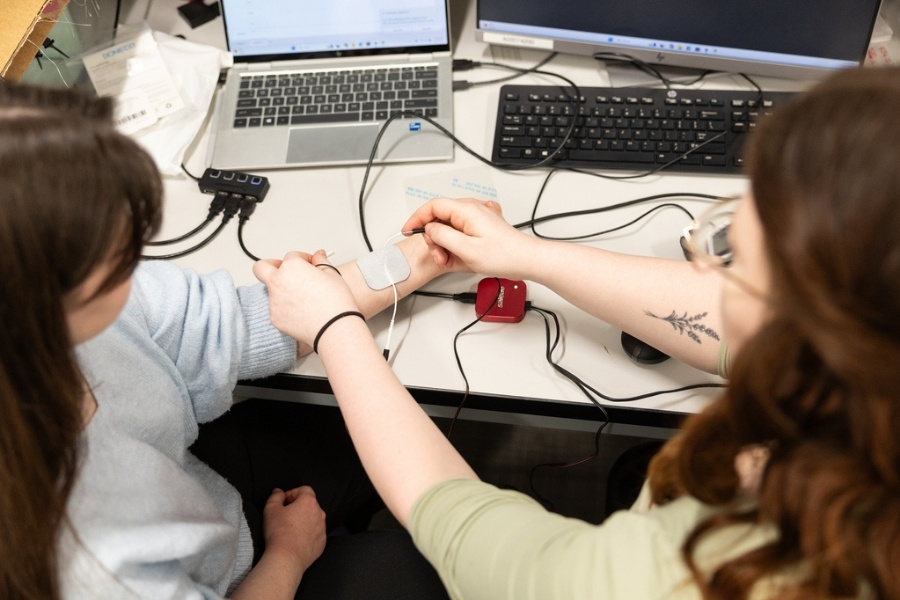
From learning control systems and power systems to circuit analysis and bioelectronics instrumentation, these courses and lab experiences help you build core electrical engineering skills.
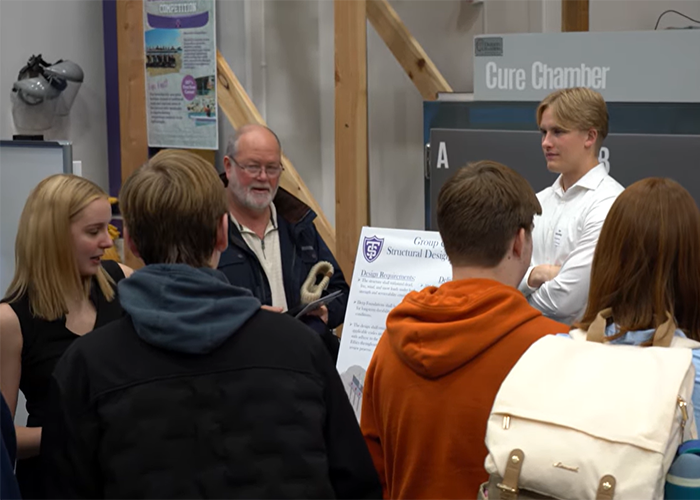
Work with classmates on a semester-long design challenge. You'll identify a need, talk with clients, develop possible solutions and learn how engineers use design and teamwork to solve problems.
Explore how engineers design systems that monitor and control machines and processes. Through hands-on lab work, you'll model system behavior, analyze performance and develop control strategies used in automation.
Learn how electrical power systems generate, distribute and manage electricity. Explore the technologies and engineering principles behind modern power grids, building a foundation for further study in power systems.
During your senior year, you'll complete the two-semester Senior Design Clinic. Working with a team, you'll apply your electrical engineering knowledge to design and develop a solution to a real challenge identified by an industry or community partner.
Engineering Majors Tackle Real-World Challenges
Put your engineering knowledge to work through the Senior Design Clinic, a two-semester capstone experience where you'll collaborate with classmates and industry or community partners to solve real engineering challenges. Civil engineering projects may involve infrastructure, water systems, structural design or other needs identified by project partners.
The College of Engineering offers scholarships for incoming first-year students, transfer students and returning engineering students, in addition to scholarships and financial aid offered by the University.
The $12,500 Engineering Board of Governors Scholarship is awarded competitively to an incoming first-year student planning to major in engineering. The scholarship is renewable for three additional years, for a total of $50,000.
Admitted transfer students planning to major in engineering are automatically considered for Summit Engineering Scholarships, with awards of up to $10,000 per year.
Each year, the College of Engineering awards more than 50 scholarships ranging from $250 to $4,000 to eligible returning engineering students.
Explore the state-of-the-art facilities and labs, faculty connections, student organizations and study abroad opportunities that shape the electrical engineering experience at St. Thomas.
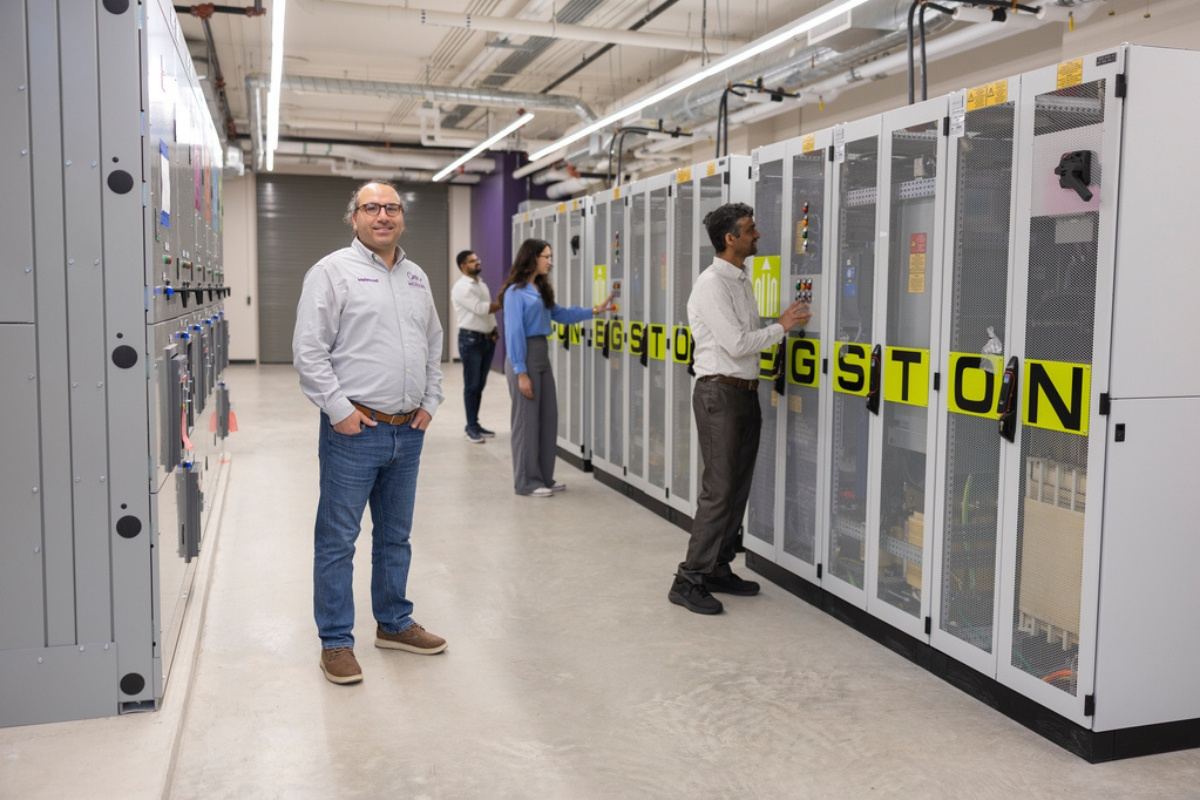
St. Thomas is home to one of the only student-focused microgrid research facilities in the nation. At the Center for Microgrid Research, undergraduate students have opportunities to work alongside faculty using advanced technologies to explore renewable energy, battery storage, electric vehicles and ways to make electrical power systems more reliable and resilient.
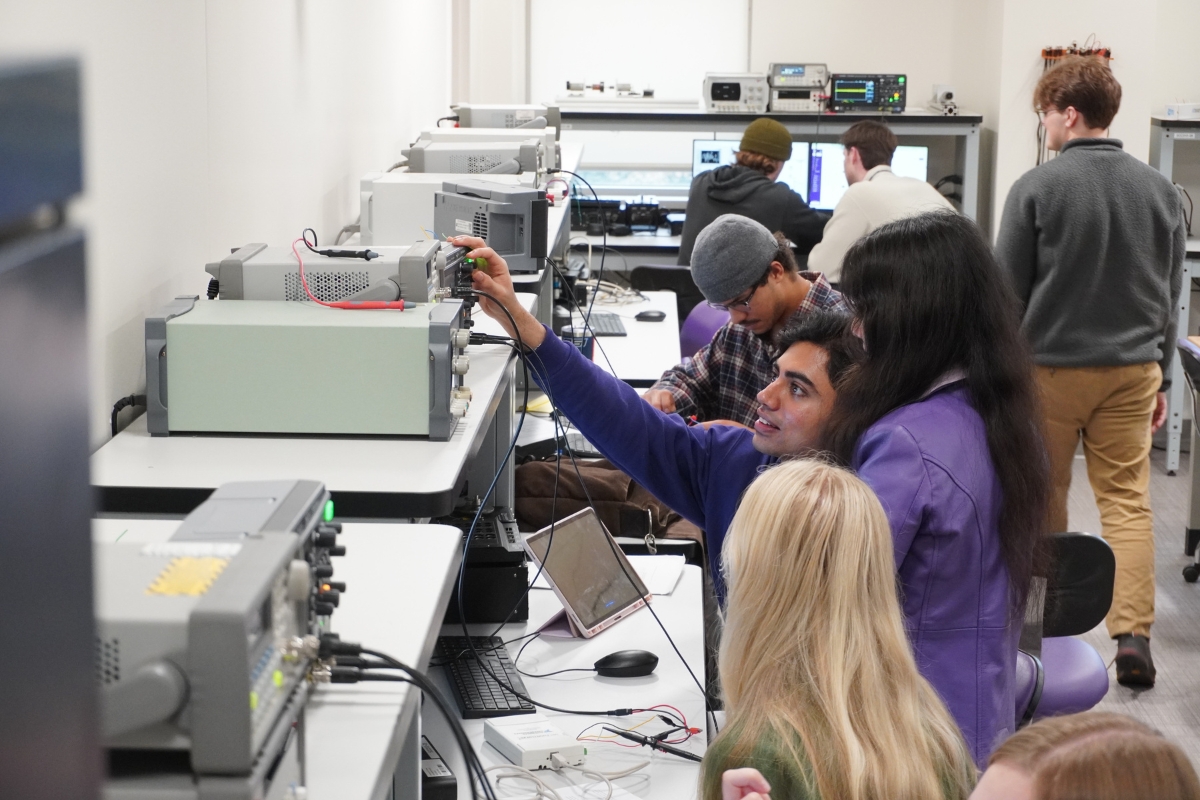
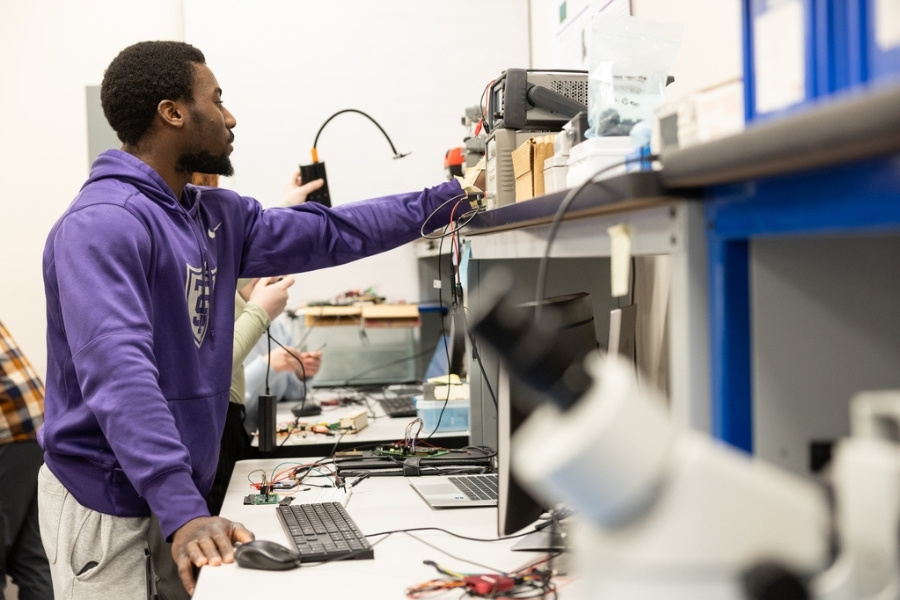
With more than 400,000 square feet dedicated to STEM education, St. Thomas offers expansive, newly built and renovated spaces where engineering students can design, build and experiment. Electrical engineering students learn and conduct research in specialized facilities, including the Biomedical Circuits and Optical Sensing Lab, Power Systems Lab, and Controls and Automation Lab.
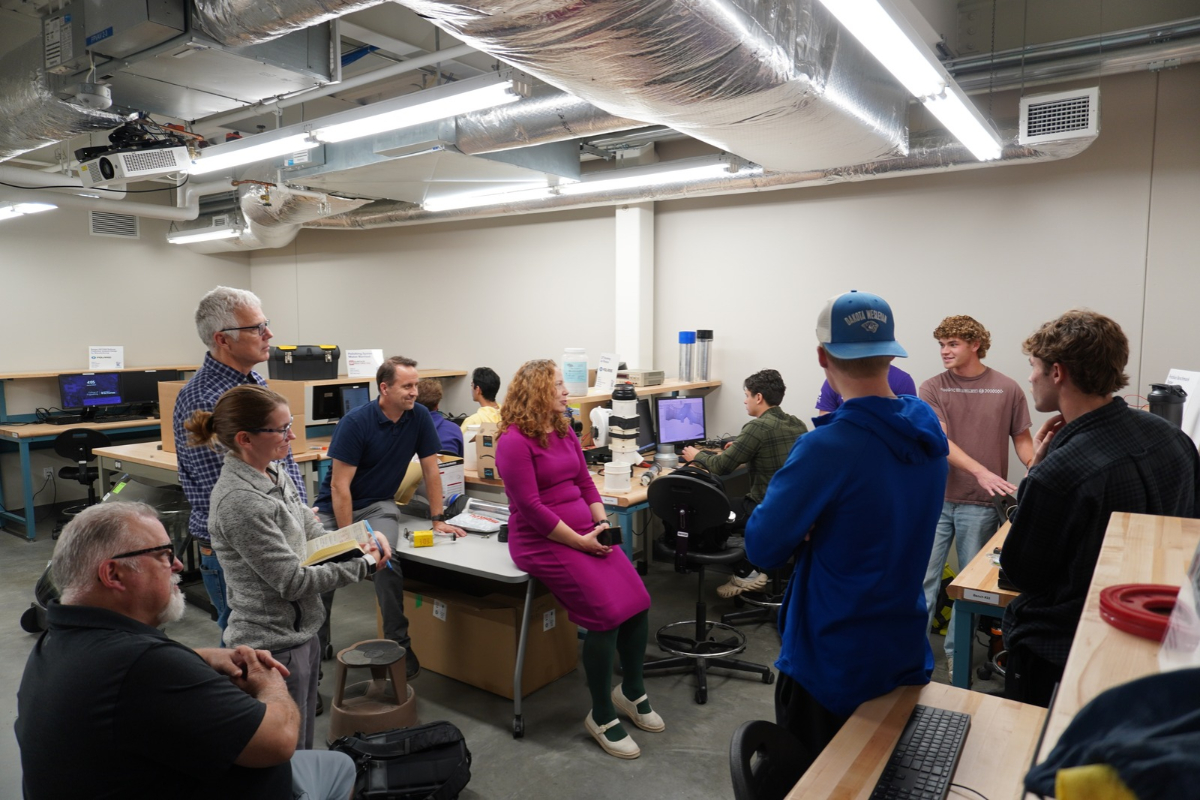
Work closely with electrical engineering faculty who bring industry experience and research expertise into the classroom. Beyond your courses, you may have opportunities to collaborate with professors on research projects, explore specialized technologies and develop your engineering interests.
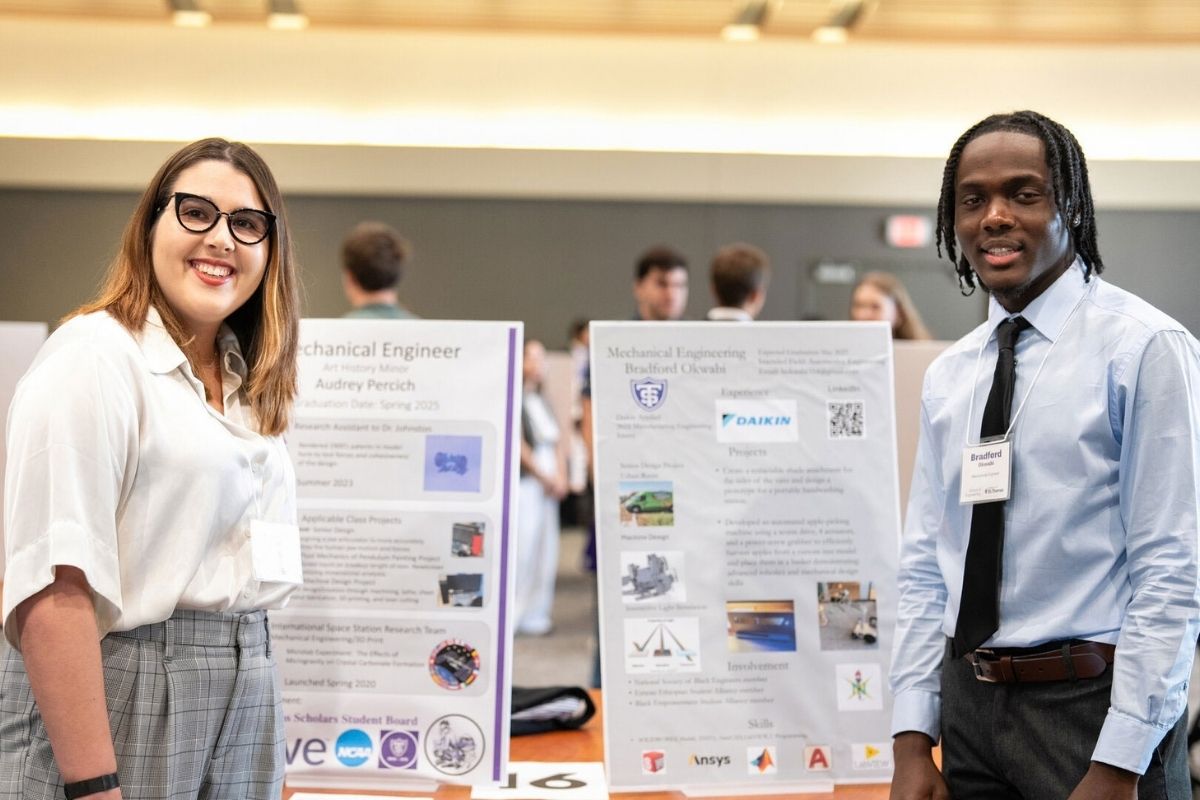
Nearly 80% of our students graduate with internship experience. Our outstanding relationships with Twin Cities companies create great opportunities for students to gain real-world experience. Every year, at an event called "Meet the Engineers - a Reverse Career Fair", over 75 companies send their representatives to seek out our engineering students for internships and jobs at their companies.
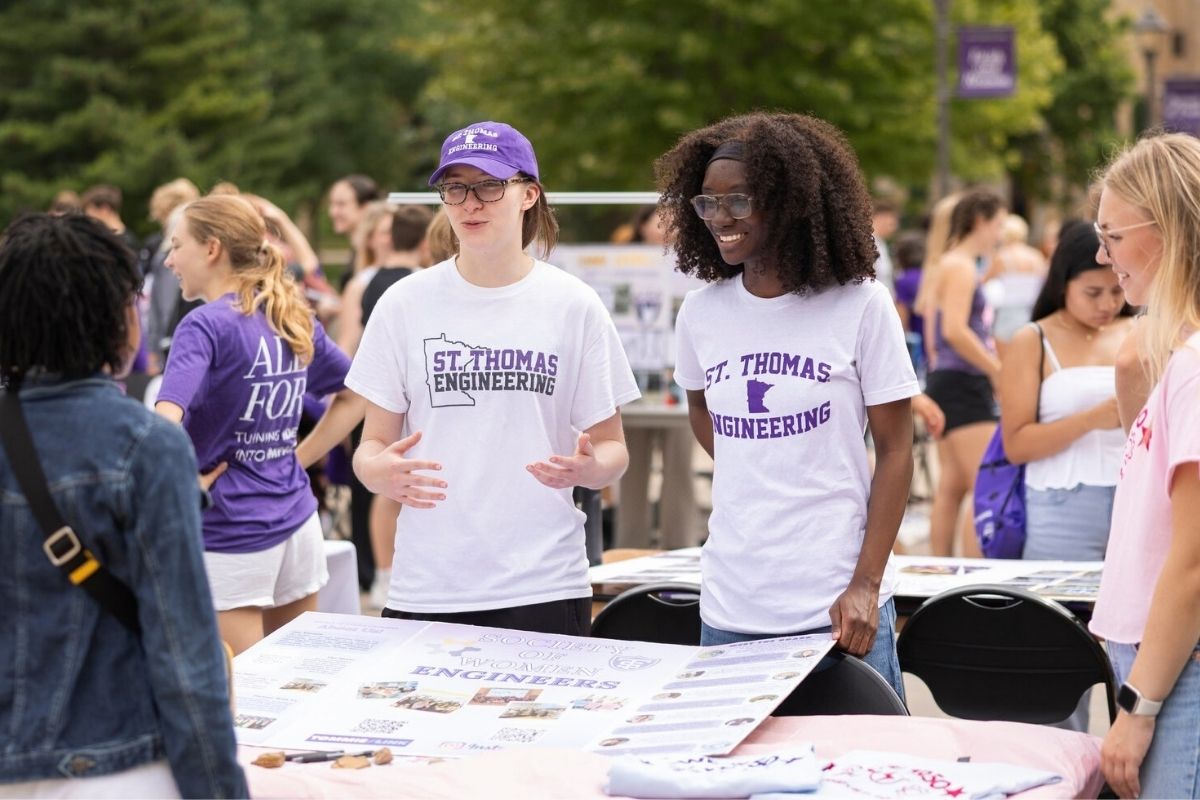
Engineering is about solving problems that ultimately improve people's lives. At St. Thomas, a broad Liberal Arts education develops students' ability to deeply appreciate and understand the people, perceptions, policies and business environment that define technology's success.
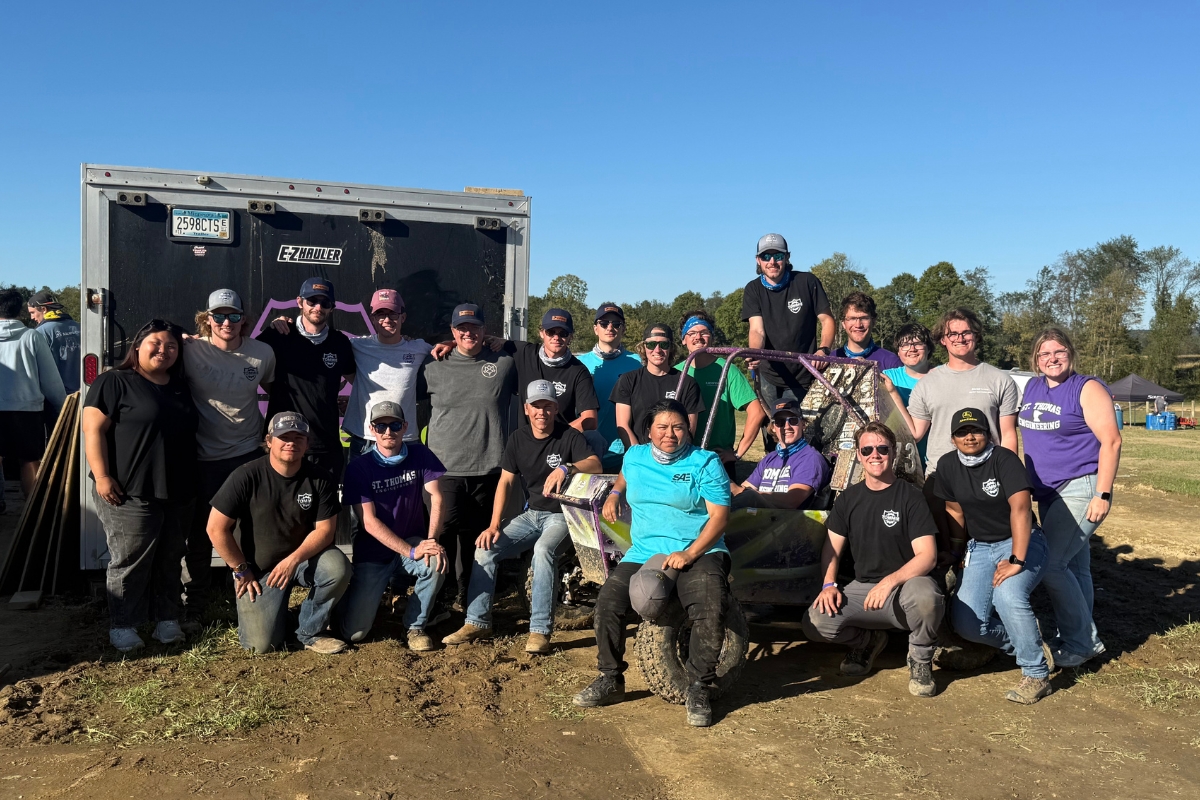
Tommie Motorsports provides students with hands-on engineering experience by designing, manufacturing, and building a single-seat off-road vehicle for Baja SAE competitions. This club encourages cross-disciplinary collaboration, allowing students to apply classroom knowledge to real-world challenges while developing technical, problem-solving, leadership, and teamwork skills.
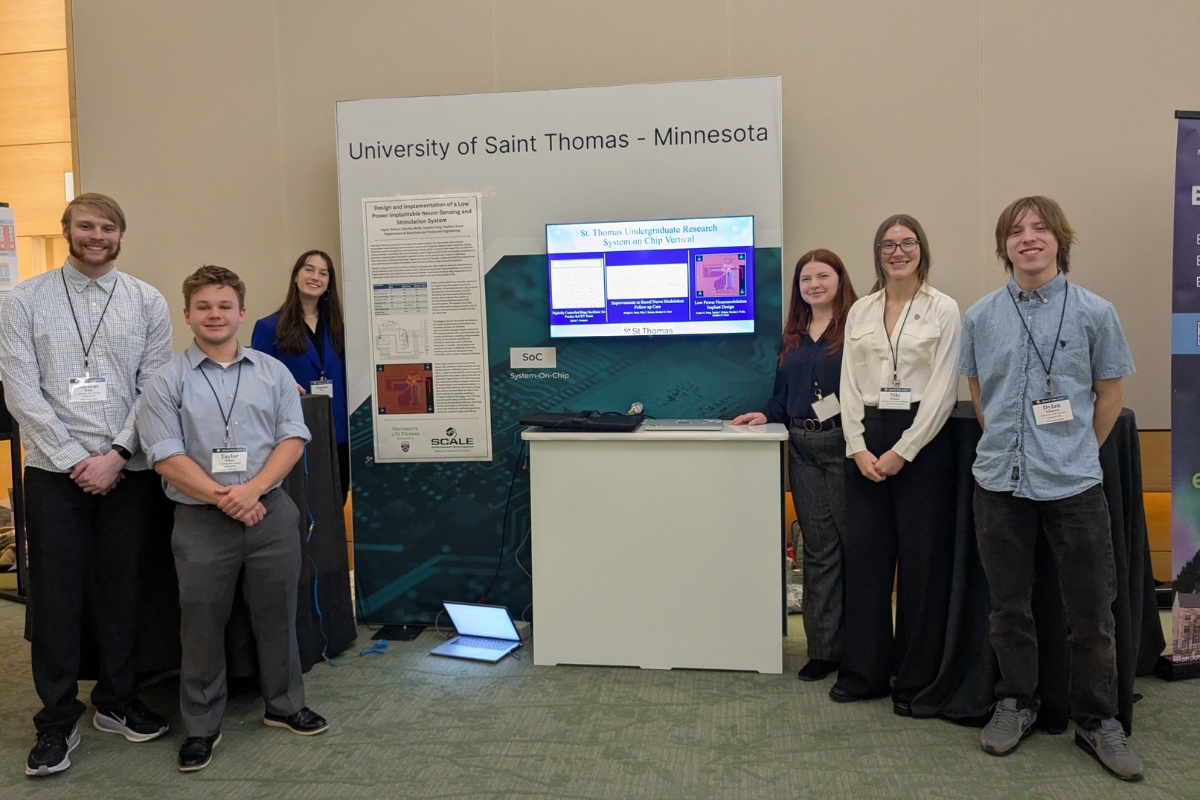
St. Thomas electrical engineering students have opportunities to collaborate with faculty on research involving electronics, circuit analysis, microchips and other engineering challenges. These projects allow students to apply classroom knowledge, develop research skills and explore solutions to real-world problems.
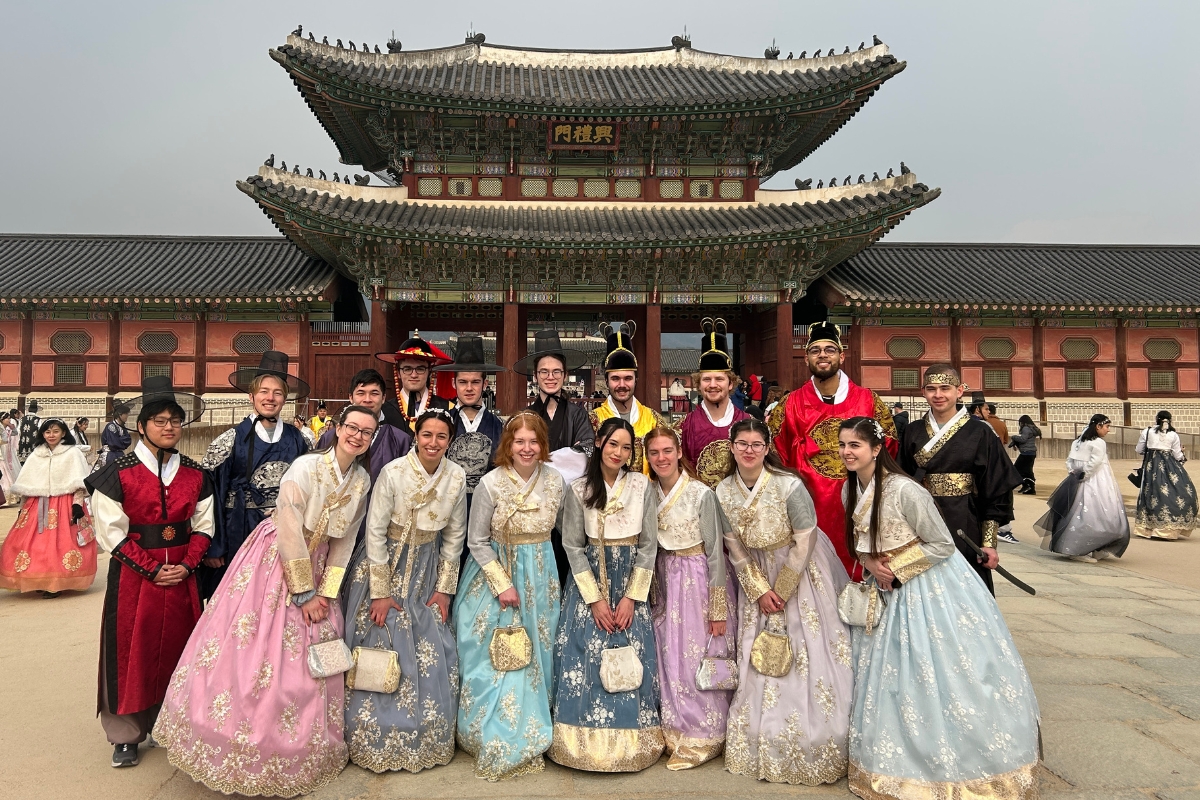
Expand your engineering perspective through study abroad opportunities such as High-Tech Manufacturing, Engineering and Society in Korea. Explore South Korea's technology and manufacturing industries while learning how engineering, business and culture intersect in a global economy.
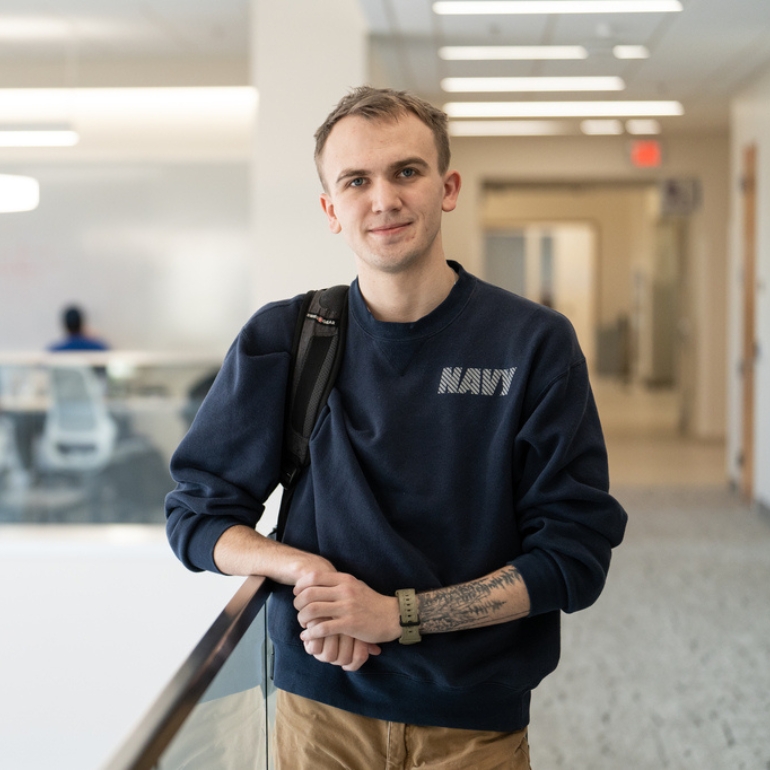
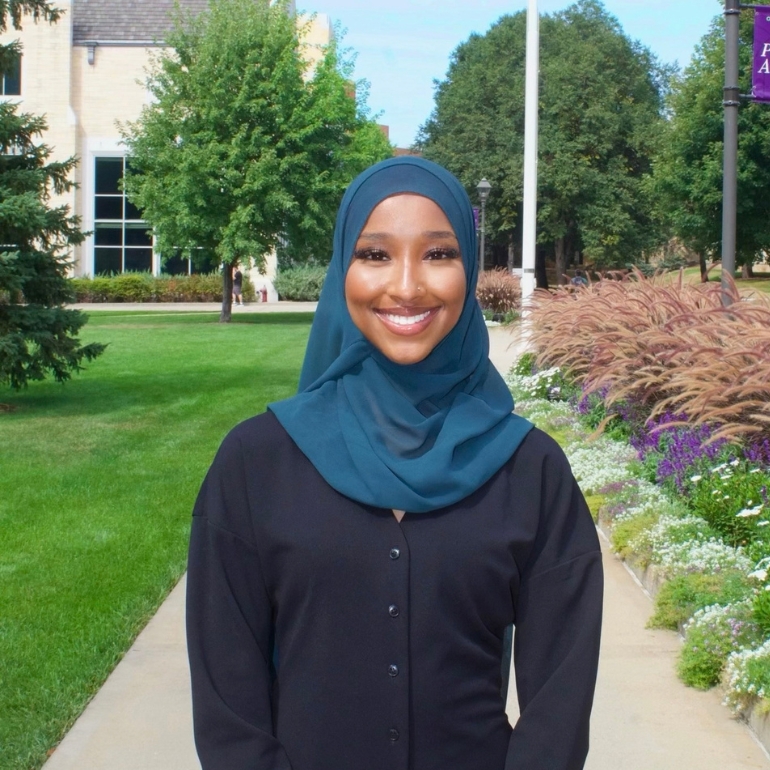
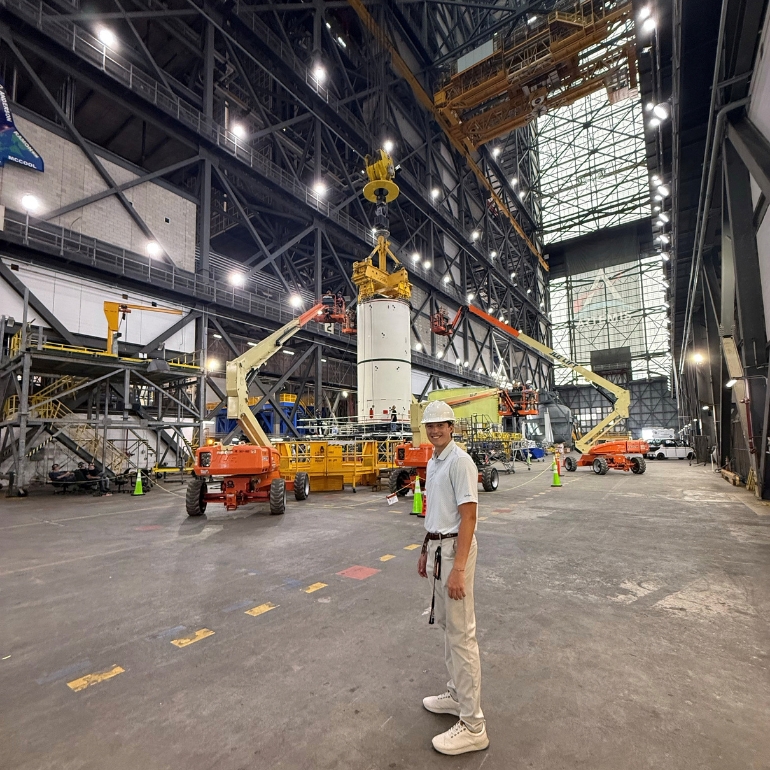
St. Thomas electrical engineering faculty bring industry experience and research expertise into the classroom. Students have opportunities to work with professors on projects involving power systems, electronics, sensing technologies and biomedical devices.
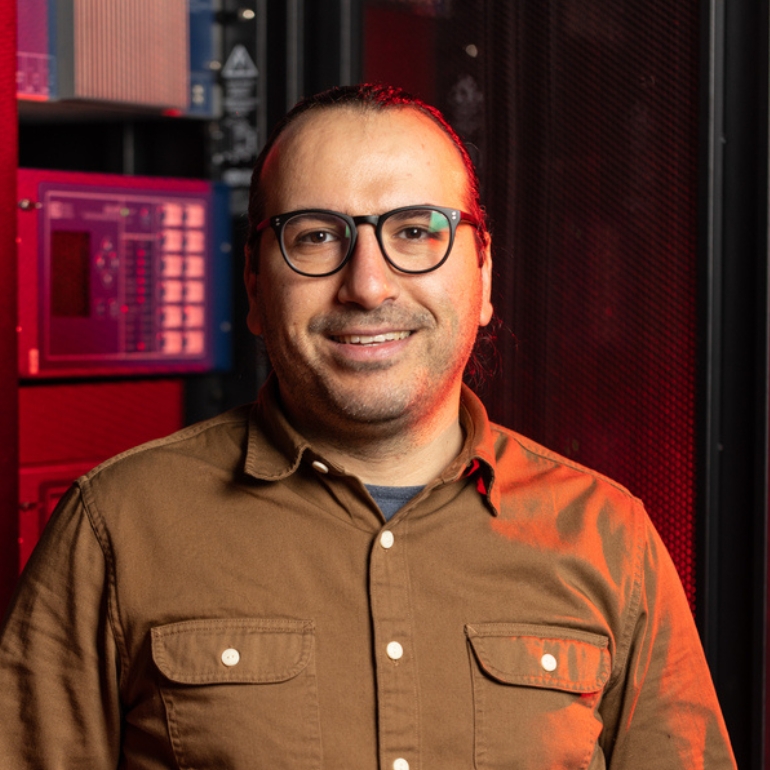
Associate Professor & Director of Center for Microgrid Research
Dr. Mahmoud Kabalan is an associate professor of electrical engineering and director of the Center for Microgrid Research. His work focuses on electric power systems, microgrids and technologies that improve energy reliability and resilience.
At St. Thomas, he mentors undergraduate and graduate researchers working with advanced electrical equipment to investigate real-world energy challenges.
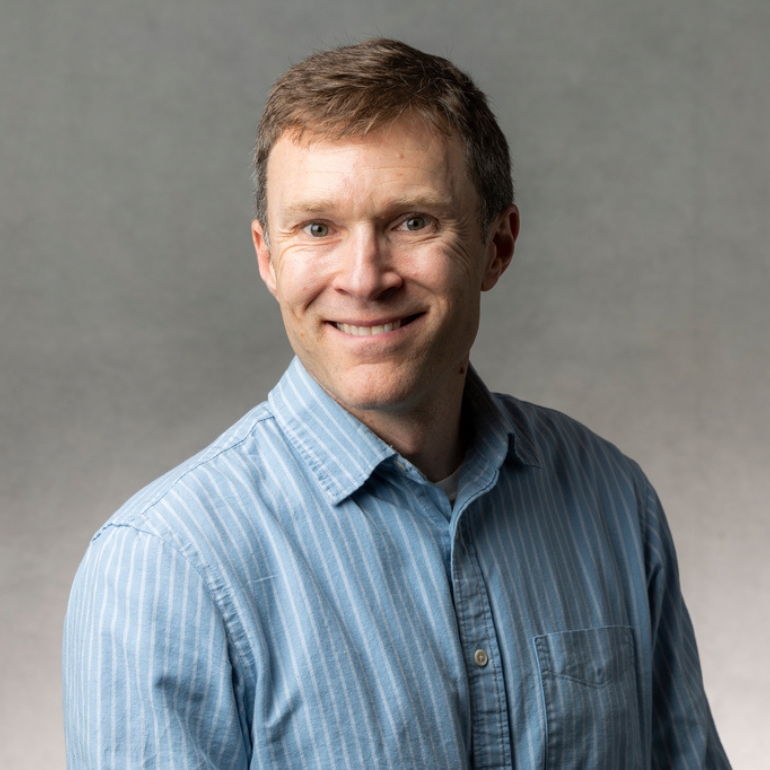
Associate Professor of Electrical and Computer Engineering
Dr. Lucas Koerner studies electronic circuits and sensing technologies, including camera systems designed to use less energy and respond more quickly. His research has applications in disaster response, wearable assistive devices and industrial monitoring.
Students working with Dr. Koerner design circuits, conduct experiments with optics and lasers, and develop machine learning approaches to analyzing sensor data.
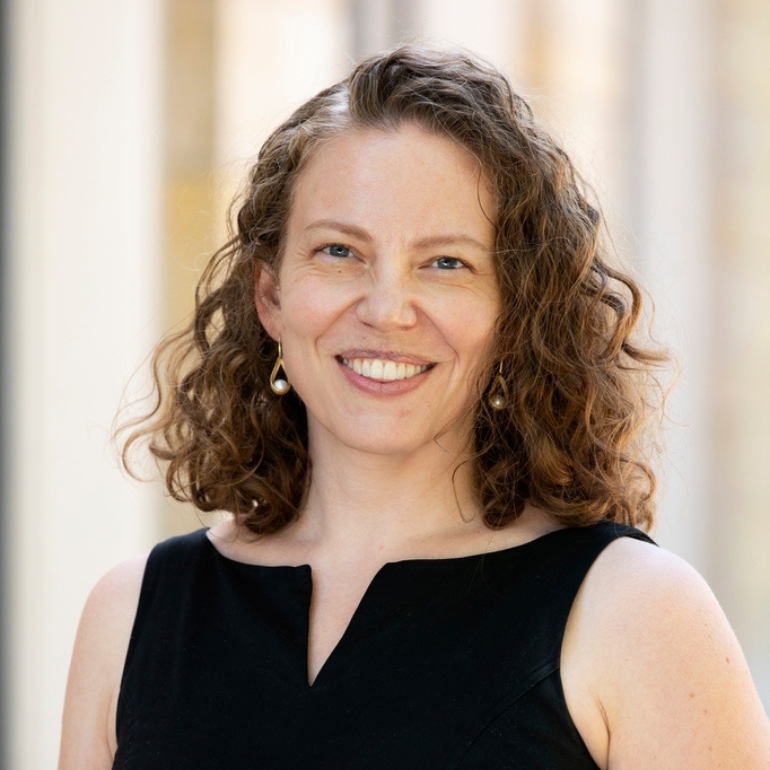
Associate Professor, Electrical & Computer Engineering
Dr. Heather Orser researches electronic systems that interact with the human body, particularly technologies used to study and treat neurological conditions.
Students working with Dr. Orser gain hands-on experience designing and testing electrical systems for biomedical applications, including technologies being developed for research and potential medical use.
To earn a B.S. in Electrical Engineering, you'll complete the University of St. Thomas Core Curriculum, Electrical Engineering major requirements and allied requirements outlined in the Undergraduate Course Catalog.
You'll begin with engineering design, circuit analysis, programming, mathematics and physics, then advance to courses in electronics, signals and systems, microprocessors, and control systems.
You'll also complete three technical electives to explore an area of interest. Choose two courses from one of five tracks, with a third course from another track or an approved technical course:
During your senior year, you'll complete the two-semester Senior Design Clinic, working with a team to develop an engineering solution for an industry or community partner.
If you are interested in transferring to St. Thomas with an Engineering major, read this information for undergraduate Engineering transfer students.
For official course and degree requirements, see the Electrical Engineering Major in the University Catalog.
Your faculty adviser will personalize a four-year plan with you based on your goals. This is one snapshot of how the plan of study for this major can look. Other plans are available for students interested in studying abroad, double majoring or participating in ROTC.
Bachelor of Science (B.S.) in Electrical Engineering (accredited by the Engineering Accreditation Commission of ABET)
The Electrical Engineering (BS in Electrical Engineering) program is accredited by the Engineering Accreditation Commission of ABET, under the commission's General Criteria and Program Criteria for Electrical and Electronics Engineering.
The University of St. Thomas is accredited by the Higher Learning Commission (HLC).
Graduates of the University of St. Thomas Bachelor of Science in Electrical Engineering (B.S.E.E) program are expected to achieve one or more of the following:
Adopted: August 13, 2002. Revised: May 6, 2022.
Graduates of the program have:
Our optional five-year International Engineering Program includes a full year abroad. You'll study at the Technical University Darmstadt in Germany for one semester followed by a semester-long paid internship in Germany. In this university-industry collaboration, you earn two degrees - one in German and one in Engineering - plus you graduate with globally focused industry experience.
There is more to learn about St. Thomas, including our ranking as a Best Value School by U.S. News & World Report, the many classroom and extracurricular activities that will be part of your student experience and so much more.